
This blog post has been adapted from the transcription of the above video.
There are various studies that have found that ketamine is an effective treatment for depression, suicidal ideation, anxiety & PTSD. We’re wondering what causes ketamine to work so rapidly? How is this antidepressant effect working within just a few days versus some standard SSRI treatments which can take weeks to months to kick in? In this blog, we talk about a study on mice to see how ketamine has affected their brains.
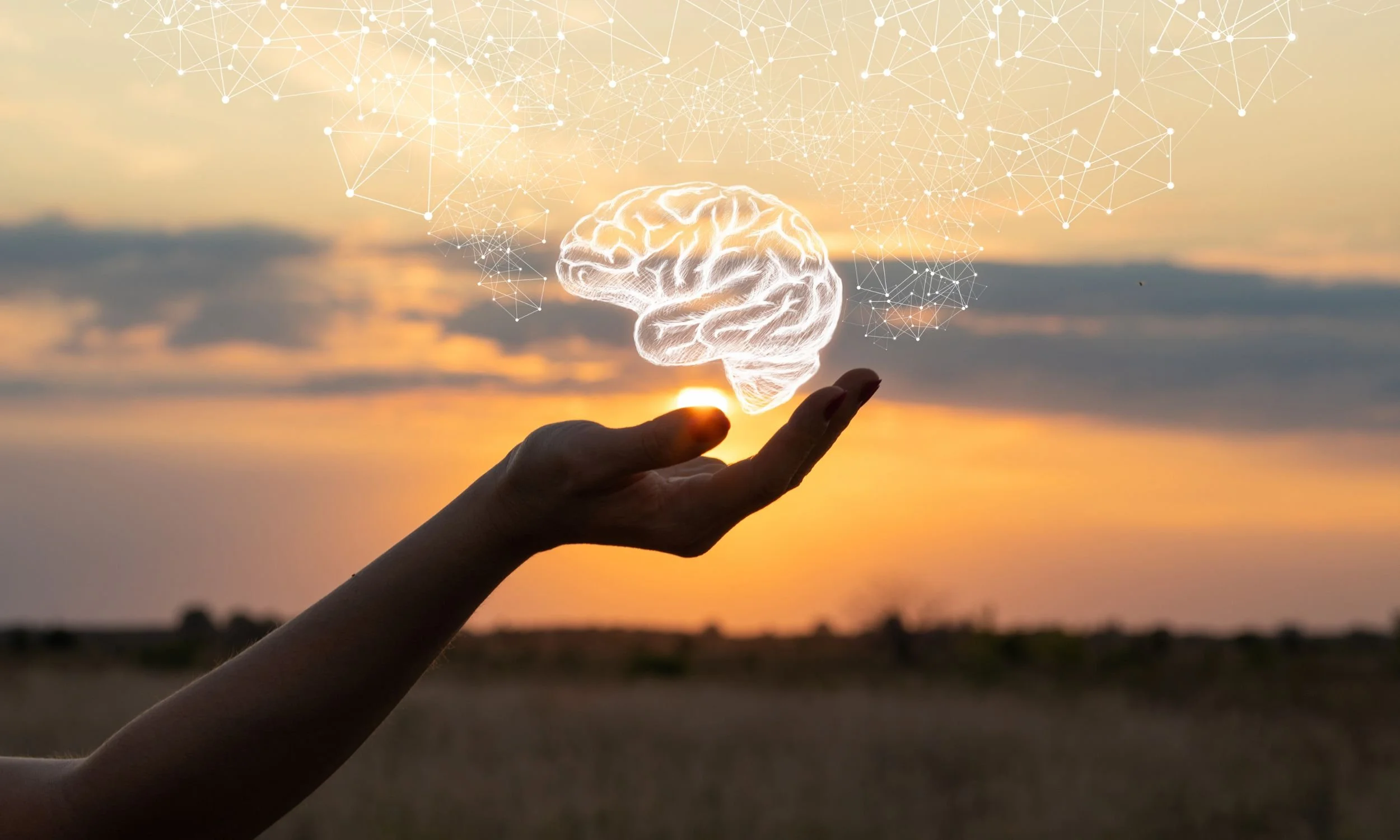
A study done on mice found that the mice that received ketamine had an increase in neurogenesis in their brain.
Ketamine And Neurogenesis
I came across a really interesting article recently, "Ketamine activates adult-born immature granule neurons to rapidly alleviate depression-like behaviors in mice." In this study, they took mice to dissect their brains, which you don’t want to do on a human being of course!
They gave these groups of mice doses of intravenous ketamine. What they found in their studies was that the mice who received the ketamine had an increase in neurogenesis in a very specific portion of the brain called the hippocampus. If you break down the word neurogenesis, "neuro" refers to the brain and "genesis" refers to creation or birth.
One of the things we're finding is that people who suffer from depression actually may have a degeneration of that portion of the brain. The researchers hypothesized that it is because of ketamine's effect in the hippocampus causing neurogenesis that helps rapidly alleviate depression.
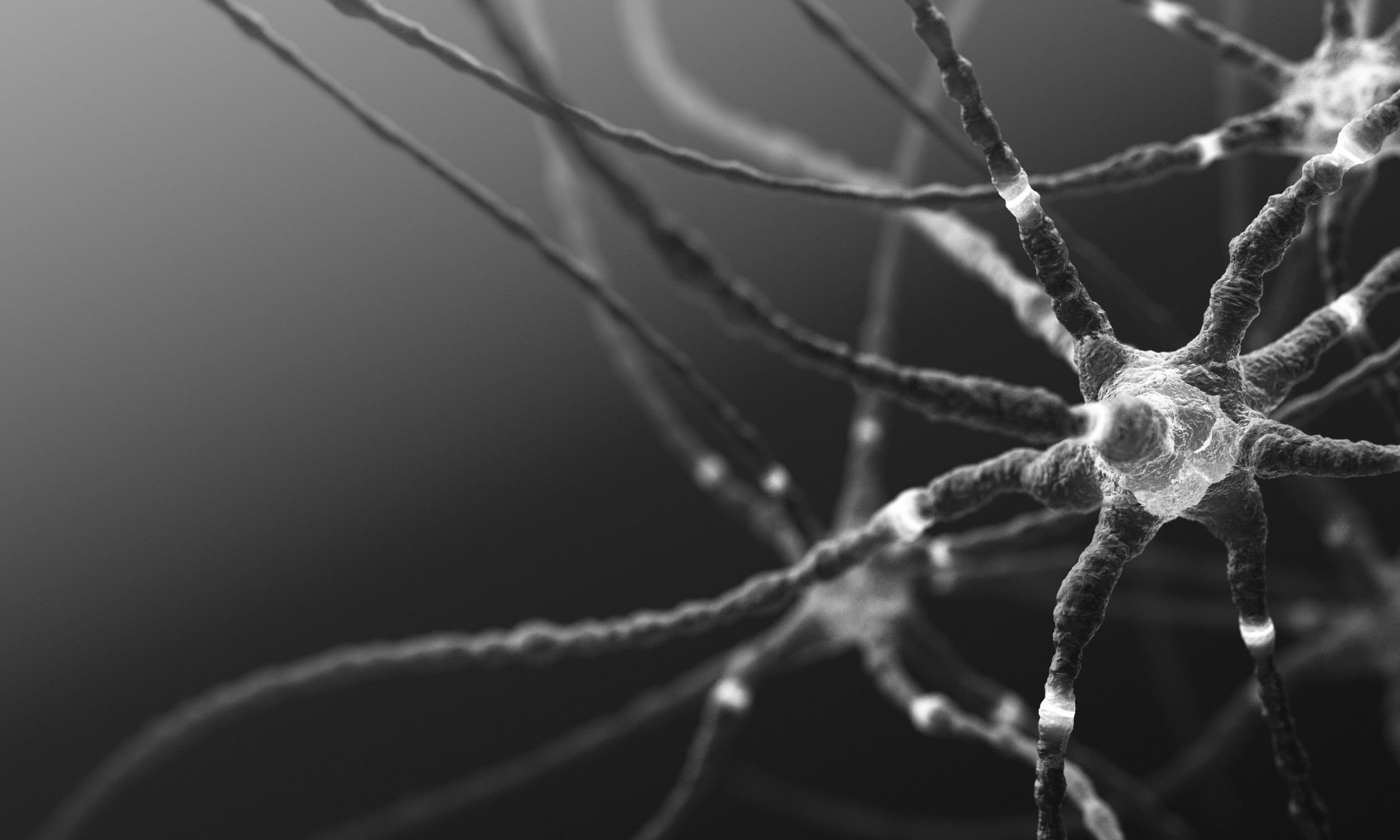
With the formation of new neurons and connections in the brain, it’s important to take advantage of this by forming new habits after ketamine therapy.
Taking Advantage of neurogenesis
Moving beyond neurogenesis, one of the other important things is something called integration. If new neurons are being formed and new synaptic connections and dendrites are forming, what are you going to do with those new neurons? What are you going to do with those new synaptic connections? Well, this is where action takes precedence.
You really need to take action after the ketamine therapy to get maximal effects. One of the interesting things that I've noticed with our patients is that it's not just the ketamine that seems to help them the most, but the actions that they take afterwards.
Some patients after their treatment may decide to start exercising, or take a break from alcohol, or start journaling more. These are all great practices and actions which are crucial in maximizing the benefit of ketamine and, in particular, with neurogenesis.

To fully reap the benefits of ketamine, you play a role in creating new habits for yourself after your ketamine therapy.
Conclusion
There’s no doubt that ketamine almost works like magic on our brains. However, ketamine isn’t for everyone. Inasmuch as we wish it were like a magic wand that miraculously heals depression and chronic pain, that isn’t the case. A truly transformative ketamine experience not only involves the ketamine, but a combination of the efforts of the ketamine doctor and you as the patient too. At the end of the day, ketamine acts as a catalyst, and only you can make a permanent, positive change in your life after the treatment.
Scientific study mentioned in the blog and video:
If you enjoyed this blog here are a few others you could check out:
The 4 Mechanisms of How Ketamine Works
Curious how ketamine works to alleviate mood & chronic pain disorders? There are four ways it works: Biological, Functional, Psychological, and Spiritual. Learn in our blog about each one in depth! You might be pleasantly surprised!
Ketamine's Impact on Brain-Derived Neurotrophic Factor (BDNF)
Learn about how ketamine, the brain, and brain-derived neurotrophic factor are related and why it matters for your mental health
How to Prepare For And Integrate From a Ketamine Infusion
Ketamine's life transforming effect isn't just because of the medicine itself. What equally if not more important is the preparation before and integration after the infusion. Explore this topic more at our blog!
Ketamine has been found to effectively treat depression, anxiety & PTSD. But what makes it so effective? In this blog, we talk about a study done on mice that shows how ketamine literally changes our brains.


Stop racing to the next destination. Discover Alan Watts' wisdom on viewing life as a dance, not a marathon - and why this perspective shift can help you enjoy the process of being alive.